Betting Mechanics
Betting mechanics describe the structural systems behind how betting markets operate.
These mechanics involve probability, pricing, market movement, settlement logic and bookmaker risk management.
Understanding betting mechanics shifts the focus away from prediction and toward the structure of how markets function.
Core Betting Mechanics
Betting markets operate through several interconnected mechanisms:
- probability estimation
- odds pricing
- market balancing
- risk management
- settlement systems
- market movement
These systems continuously adapt as information changes.
Pricing and Probability
Odds are pricing tools connected to perceived probability.
Markets continuously reassess prices according to:
- information flow
- participant activity
- market sentiment
- bookmaker exposure
- changing expectations
This creates dynamic pricing structures rather than fixed systems.
Market Movement
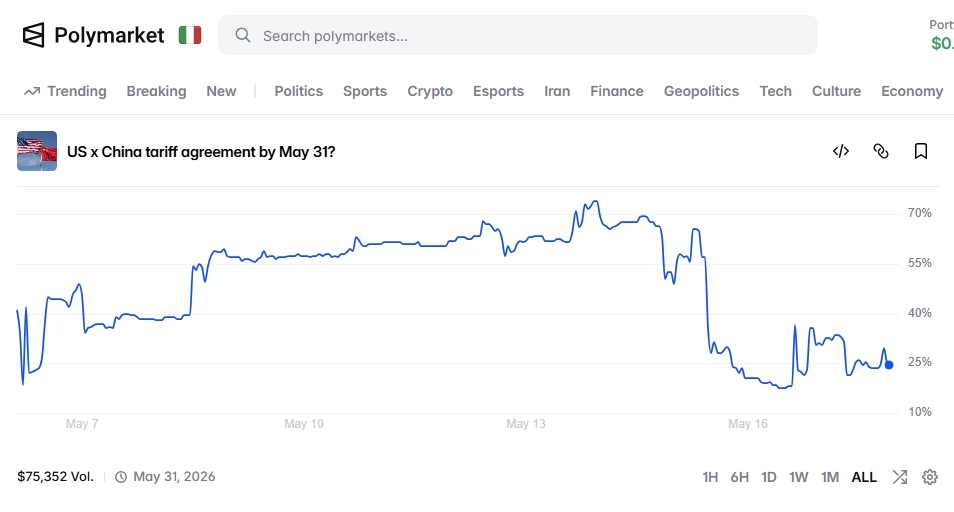
Betting markets may move because of:
- injuries
- team news
- betting volume
- economic or political information
- live event developments
- market psychology
Prices therefore reflect changing interpretations of uncertainty.
Settlement Systems
Every betting market requires settlement rules that determine:
- winning outcomes
- void markets
- abandoned events
- payout structures
- official results
Settlement mechanics are essential because they define how markets are officially resolved.
Variance and Uncertainty
Betting mechanics do not eliminate uncertainty.
Variance explains why short-term outcomes may differ from expected probability.
Understanding variance is important because probability-based systems remain uncertain even when pricing appears logical.
Educational Perspective
BettingStructure approaches betting mechanics from a purely educational perspective.
The objective is to explain how modern betting systems interpret and price uncertainty through structured market mechanisms.